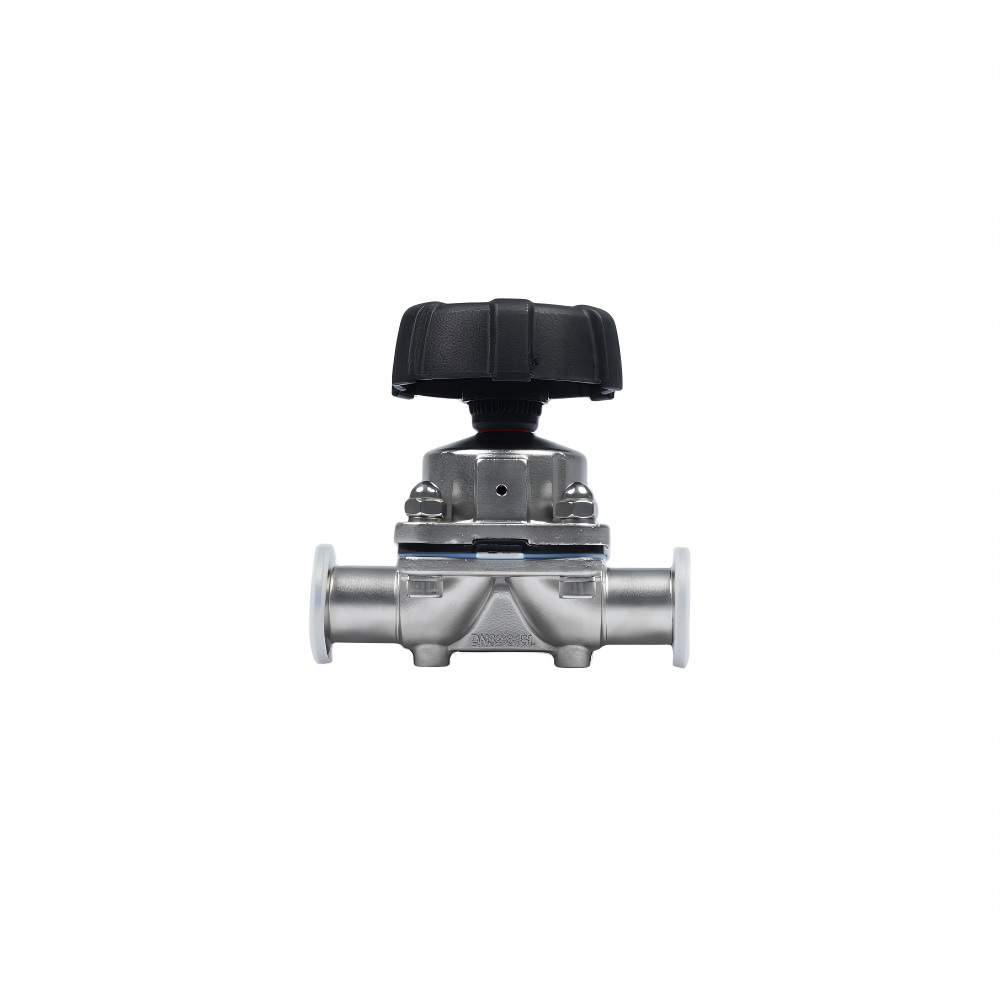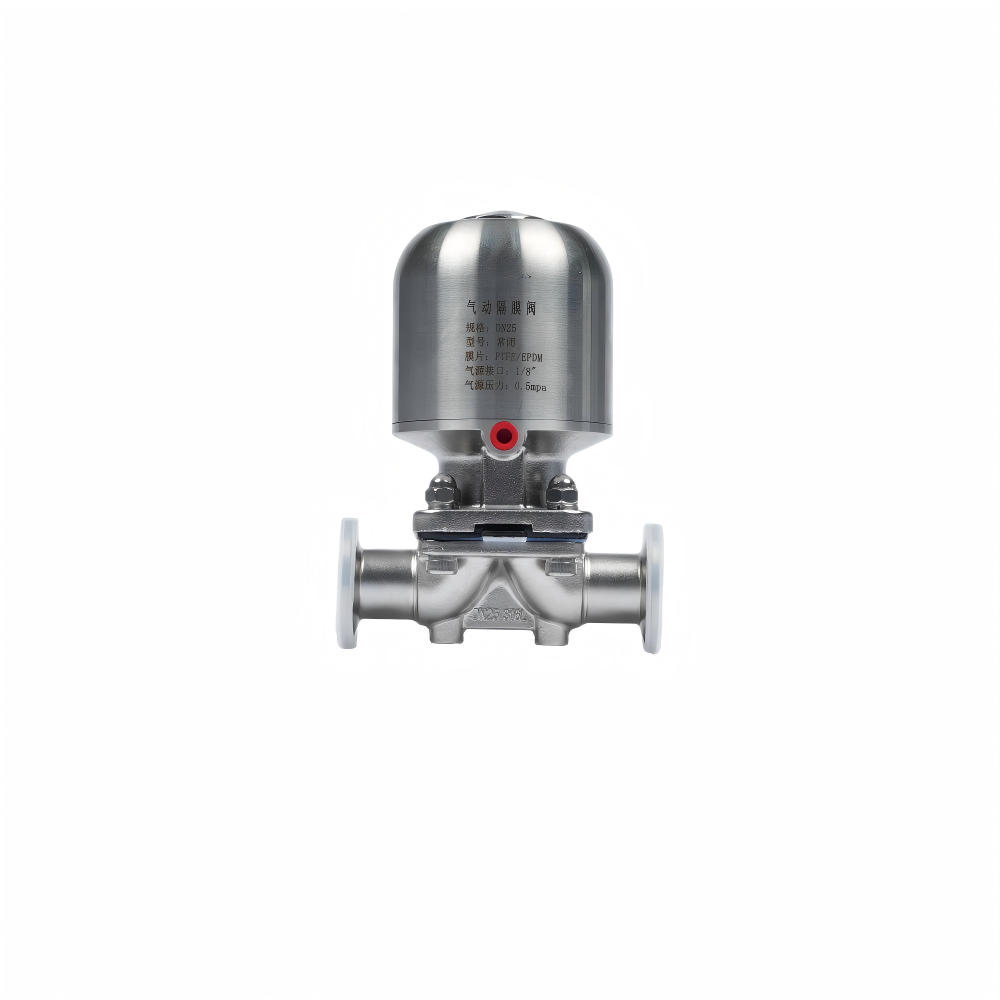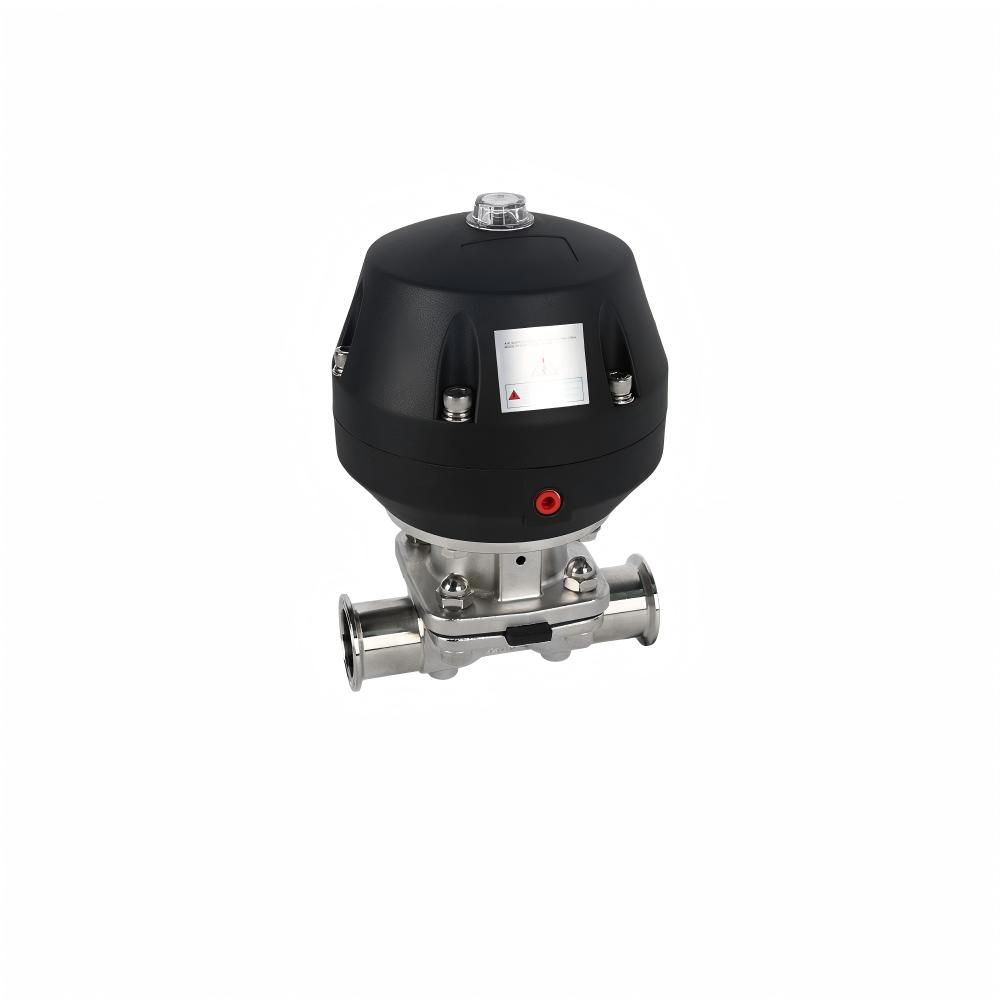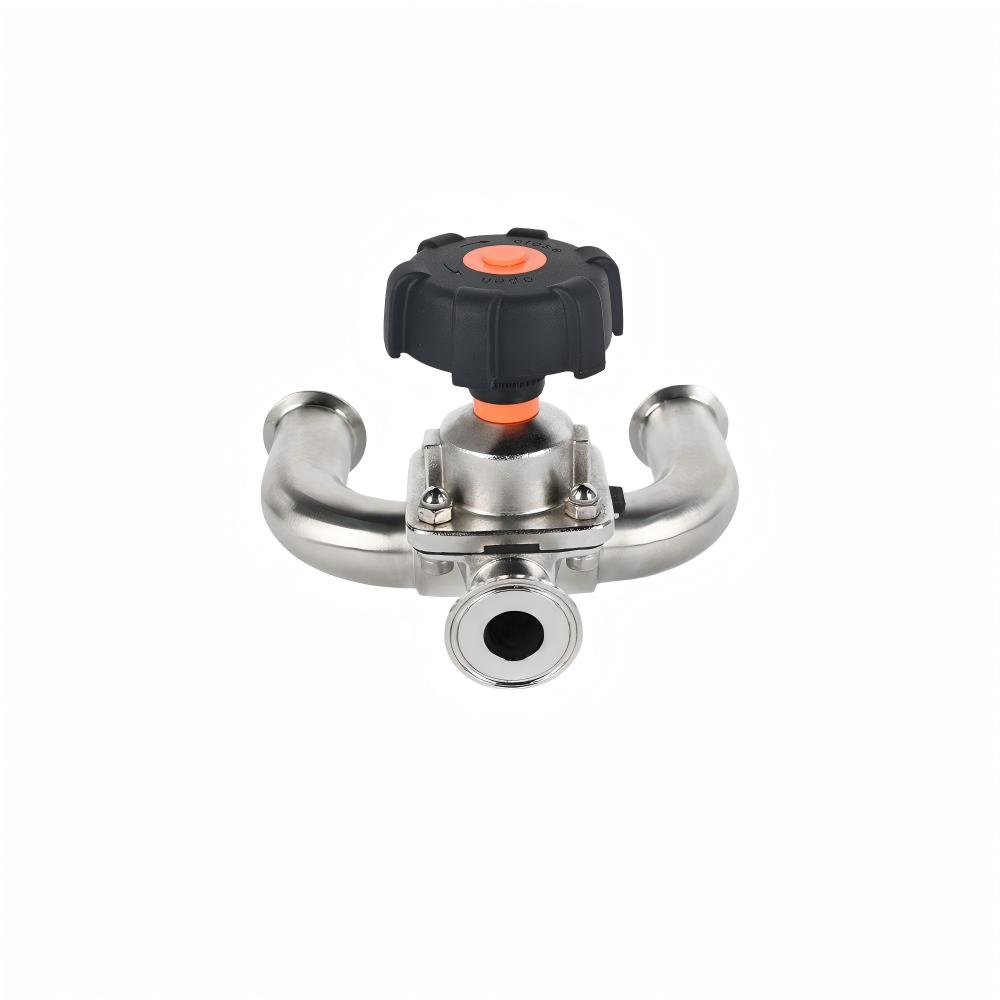
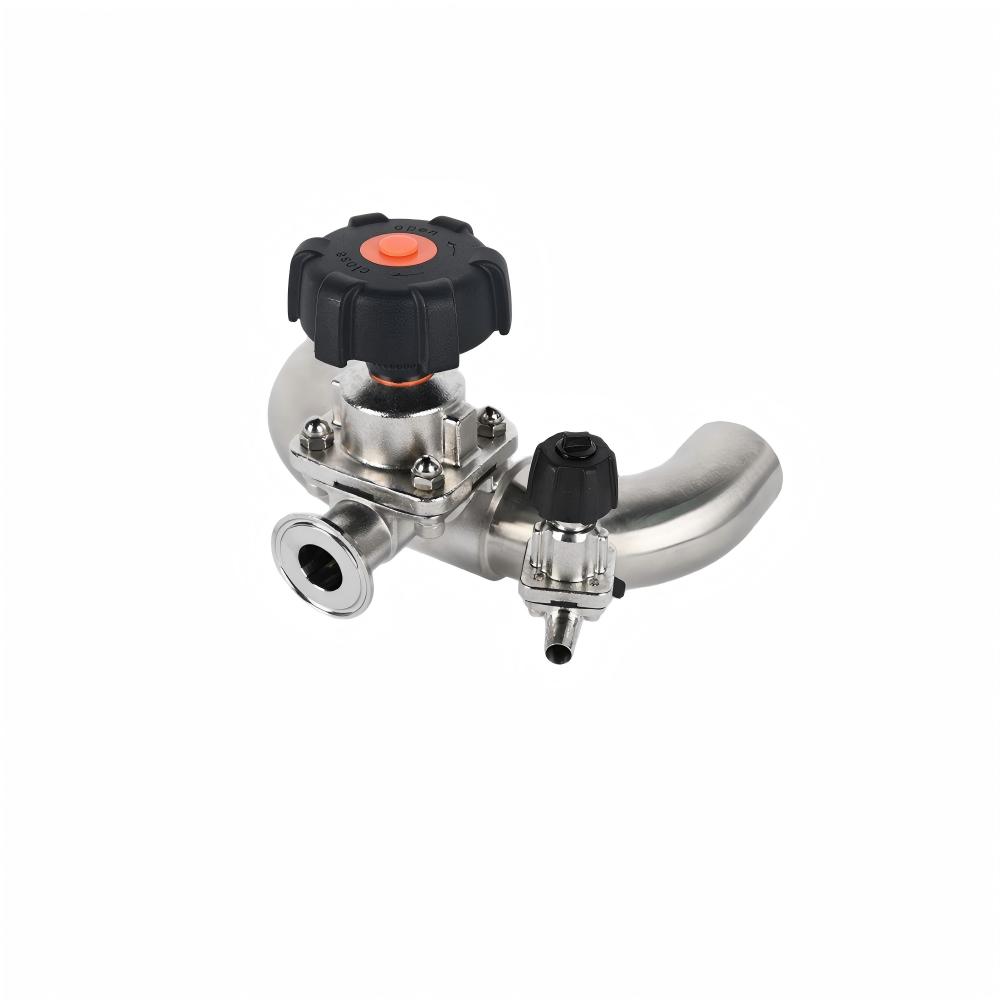
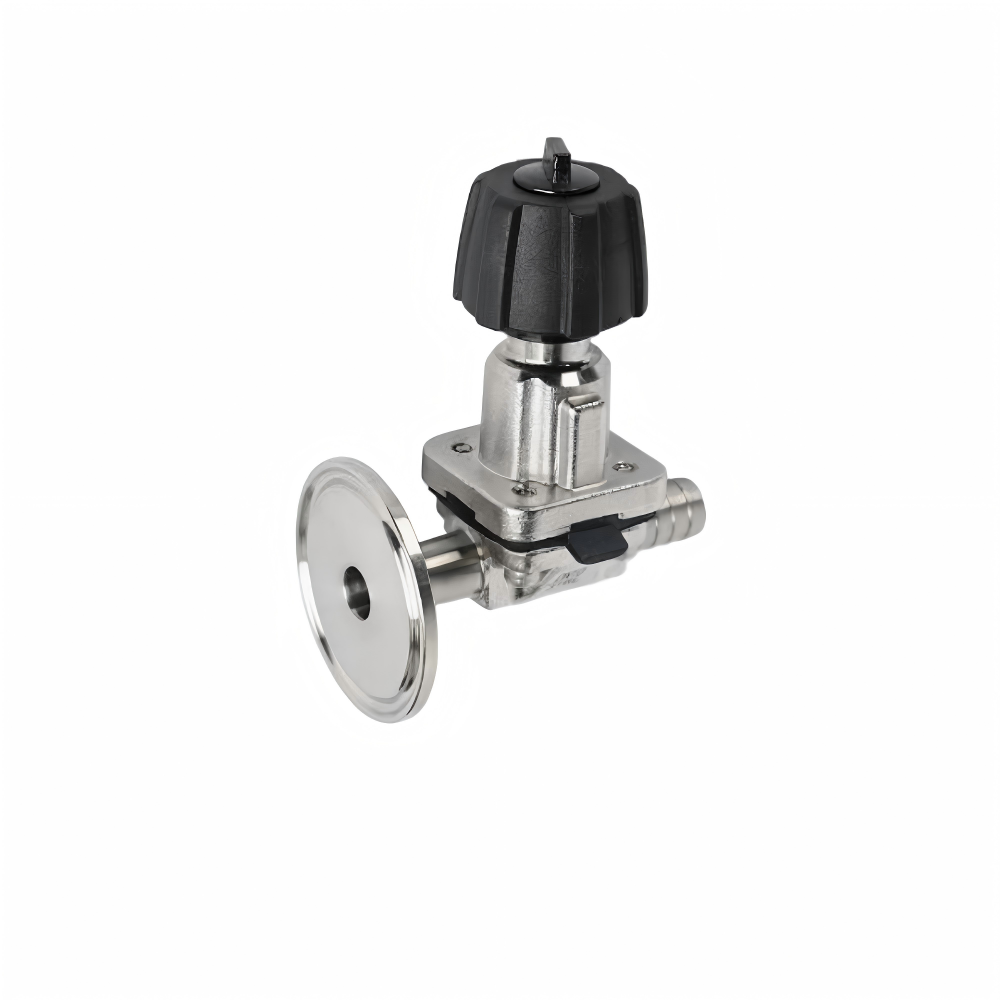
Aseptic Sampling Diaphragm Valve
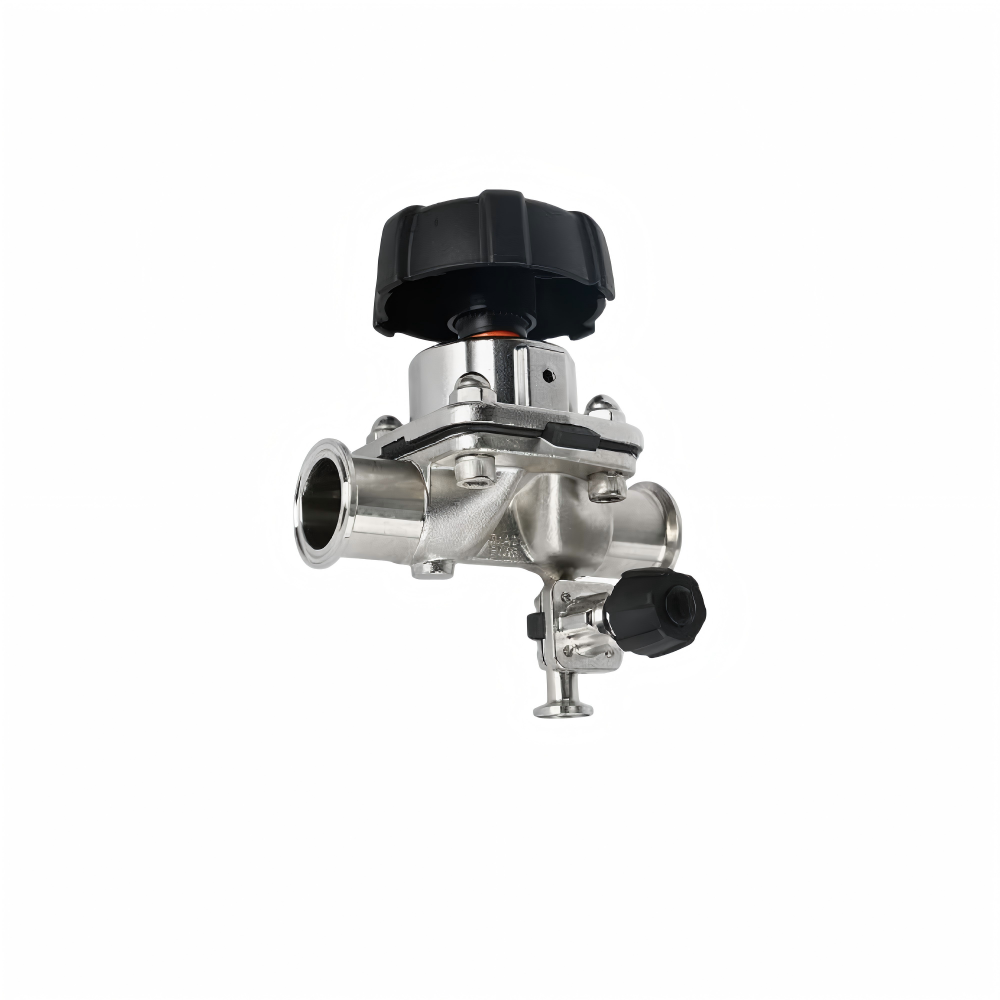
KINGMAN supplies sanitary sampling diaphragm valves. Specially designed for fluid sampling under sterile conditions. Simplified valve structure with short sampling channel and minimal dead space, preventing medium in pipeline from contaminating samples during sampling. Constructed from 316L stainless steel with diaphragm sealing design. It can quickly reset and seal after sampling to stop microbes entering the main pipeline. Suitable for on-line sampling and monitoring in pharmaceutical and biological labs and withstands high-temperature steam sterilization. Easy to disassemble and maintain. Acid & alkali resistant and heat-resistant diaphragms guarantee sample authenticity and system sterility.
Specifications
| Parameter | Value |
|---|---|
| Product Type | Sanitary Diapharagm Valve |
| Size Range | DN15–DN100 (approx. 1/2"–4") |
| Body & Disc Material | 316L stainless steel |
| Seal Material | EPDM / EPDM+PTFE |
| Surface | Inner surface: Ra ≤0.5μm (SF1), Ra ≤0.375μm (SF4) , Outer surface: Sand blasting |
| Working Temperature | 150 °C |
| Max. Working Pressure | Max 10 Bar for DN15‑DN50; Max 6 Bar for DN65‑DN80 |
| Min. Working Pressure | Full vacuum (with EPDM seal) |
| Connection Standard | 3A / SMS / DIN / ISO /ASME BPE |
| Connection Type | Tri-Clamp / Weld / Threaded / Flange (please confirm) |
| Operation Type | Manual handle / Pneumatic actuator |
| Certification | ISO 9001, 3A,CE,EAC,health wading license |

Diaphragm
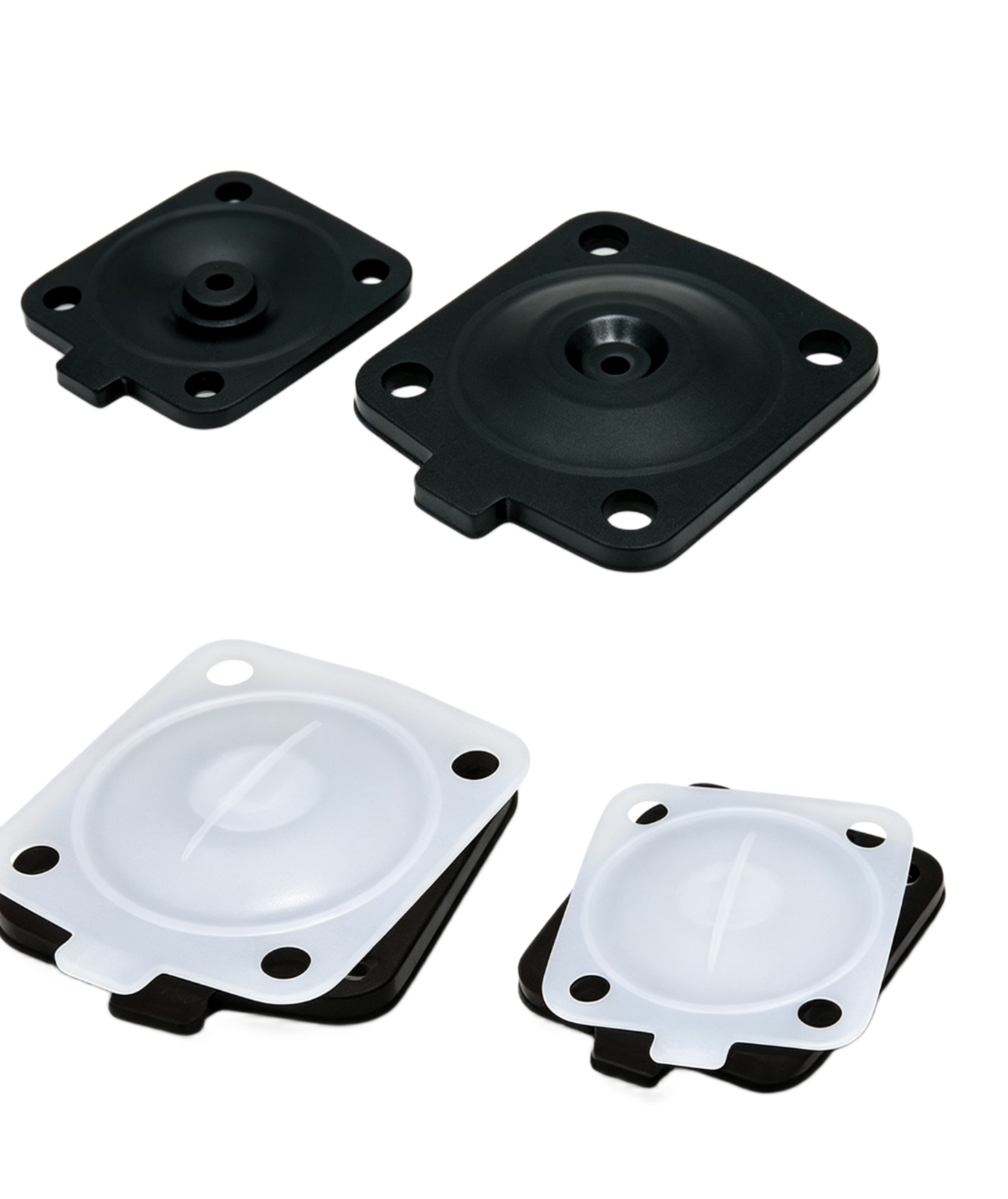
Different from the traditional diaphragm valve body, the aseptic diaphragm valve body has a sealing protrusion that tightly snaps on the inner diameter, which can reduce the annular gap between the diaphragm and the valve body. This feature of the diaphragm valve makes it particularly suitable for aseptic processe.
Diaphragm Material
Diaphragms are available in EPDM rubber and TFM rubber, with single and double diaphragms optional. The dual diaphragm design allows the two diaphragms to operate independently,which reduces tension caused by different thermal properties. Each application has different operating conditions and therefore different requirements for the diaphragm. To select the diaphragm that is best for you, consider the following factors: operating pressure, application temperature, process fluid. EPDM can be suitable for most application conditions, and some high-temperature conditions require the use of TFM material diaphragms.
Dimensions
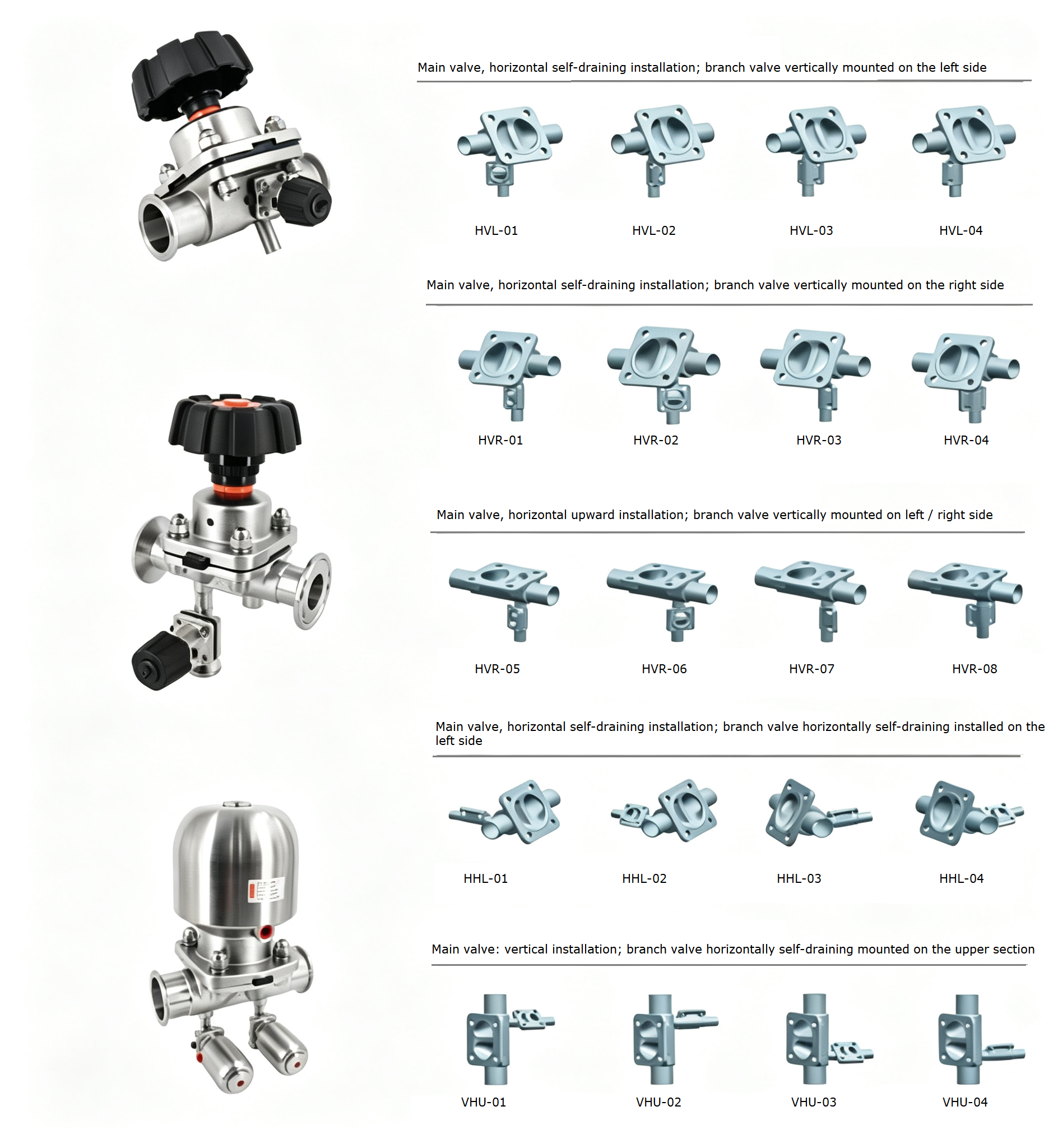
Features
- Short flow channel with minimal dead space, specially designed for sterile sampling. Minimal residual liquid to preserve sample authenticity.
- Diaphragm resets quickly after sampling to block external microorganisms from entering main pipeline and protect pipeline sterility.
- No cross-contamination or residual fluid; collected samples truly reflect pipeline medium status and guarantee accurate test results.
- 316L valve body paired with heat & corrosion resistant diaphragms, tolerating repeated steam sterilization for pharmaceutical sterile sampling.
- Fewer components for easy disassembly and cleaning without special tools, lowering daily maintenance cost.
- Sampling operation will not interrupt main production; supports on-line fixed-point sampling and real-time monitoring.
Working Principle
The sanitary sampling diaphragm valve features a short dead-volume sampling channel. Under normal working status, the diaphragm stays pressed on the seat to seal off the sampling port, keeping the main pipeline fully closed from the sampling cavity. To take samples, the actuator lifts the diaphragm slightly to open the narrow sampling passage; process fluid flows into the sampling outlet. After sampling completes, the diaphragm resets immediately to seal the port again. The diaphragm acts as a sterile barrier between the main production pipeline and the external sampling side. This working principle prevents outside bacteria from entering the main pipe and avoids leftover sample liquid mixing back into the production medium, ensuring sample fidelity during sterile sampling.
Why Choose KINGMAN
Aseptic Process Experience
Sampling diaphragm valves are supported by KINGMAN’s sanitary component experience across pharmaceutical, biotechnology and other high-purity applications where clean sampling points require careful material and finish selection.
Ra ≤ 0.38 μm Available
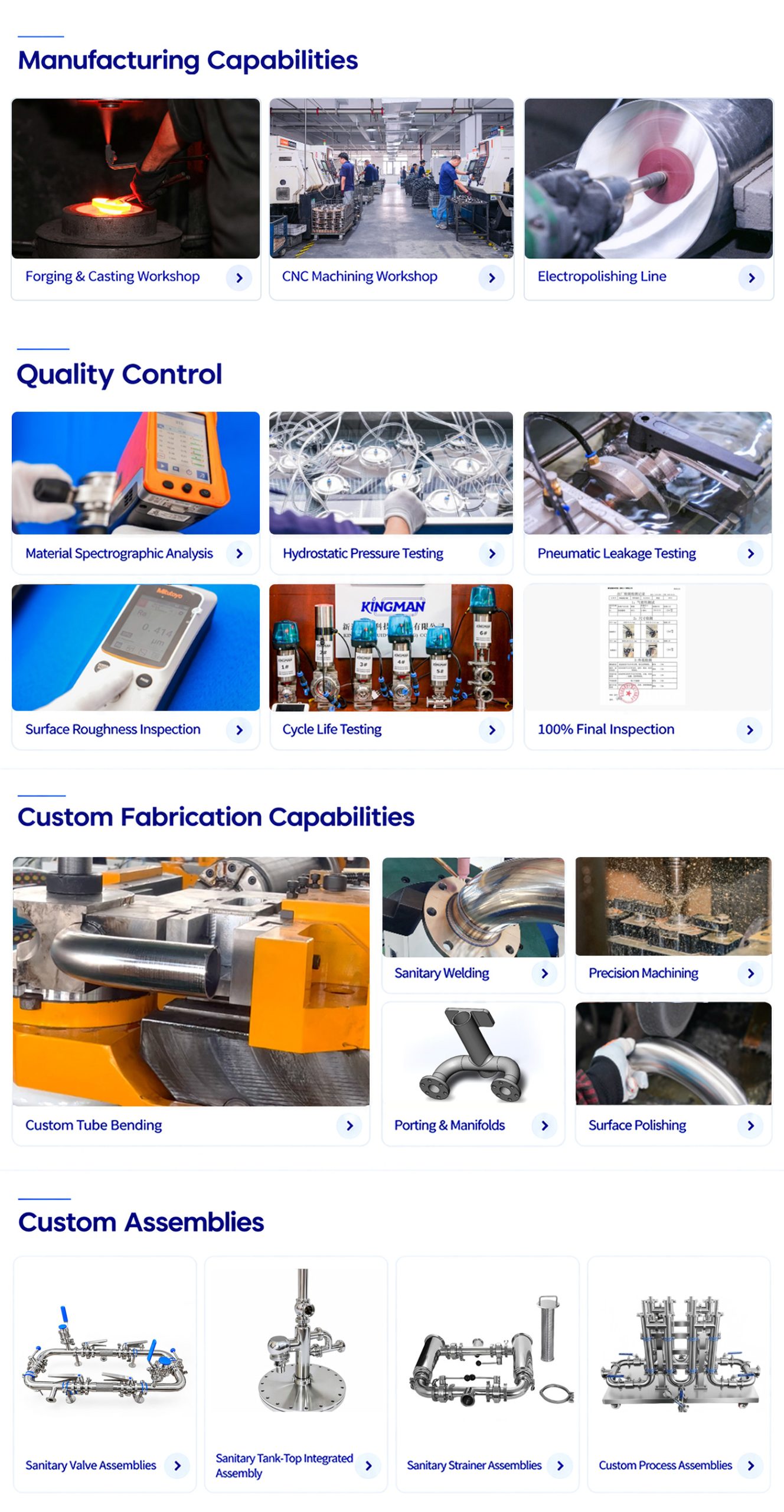
Electropolished surfaces can reach Ra ≤ 0.38 μm, giving aseptic sampling valve buyers a measurable finish option for wetted areas exposed to high-purity process media.
Material Analysis Included
Incoming and production materials can be verified through spectrographic analysis, adding a defined material-control step before sanitary sampling components proceed through machining and final inspection.